Founded in 1978, the Denver Film Festival was one of the first film festivals in the country. Now, in its 47th year, the Festival is an annual celebration of cinema that takes place in the vibrant city of Denver, Colorado. As one of the region’s premier film events, the festival showcases an exceptional lineup of thought-provoking, innovative, and diverse films from around the world.
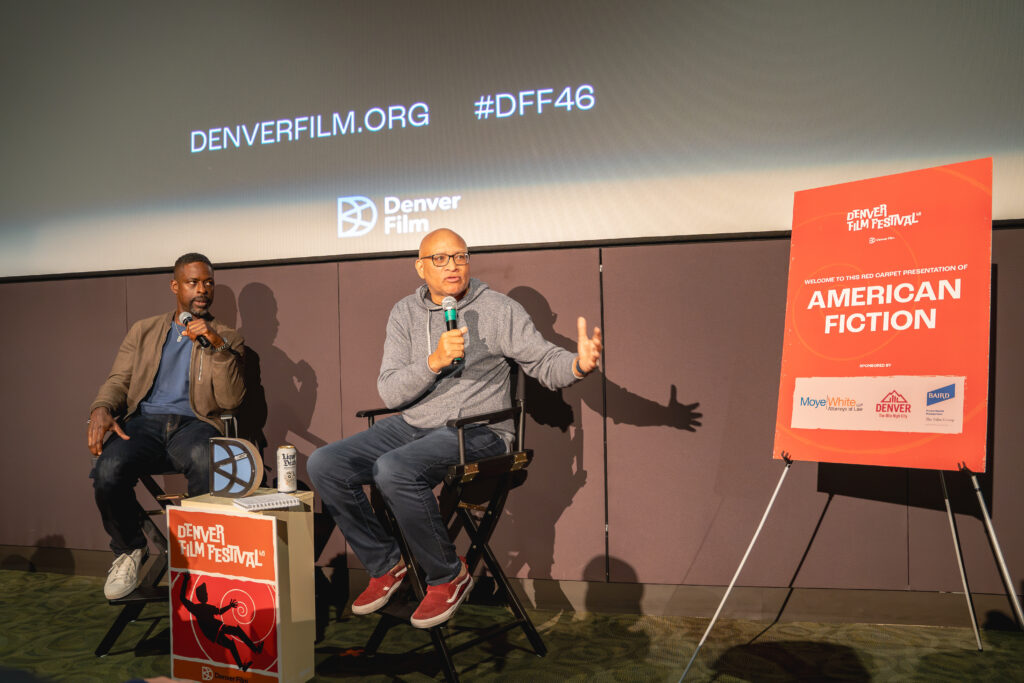
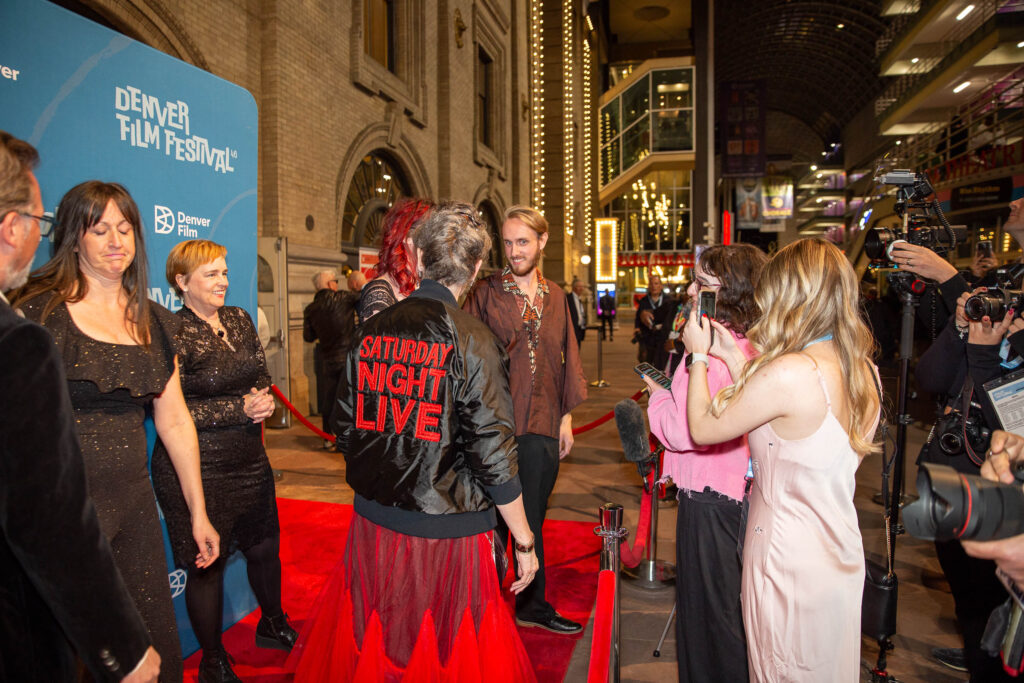
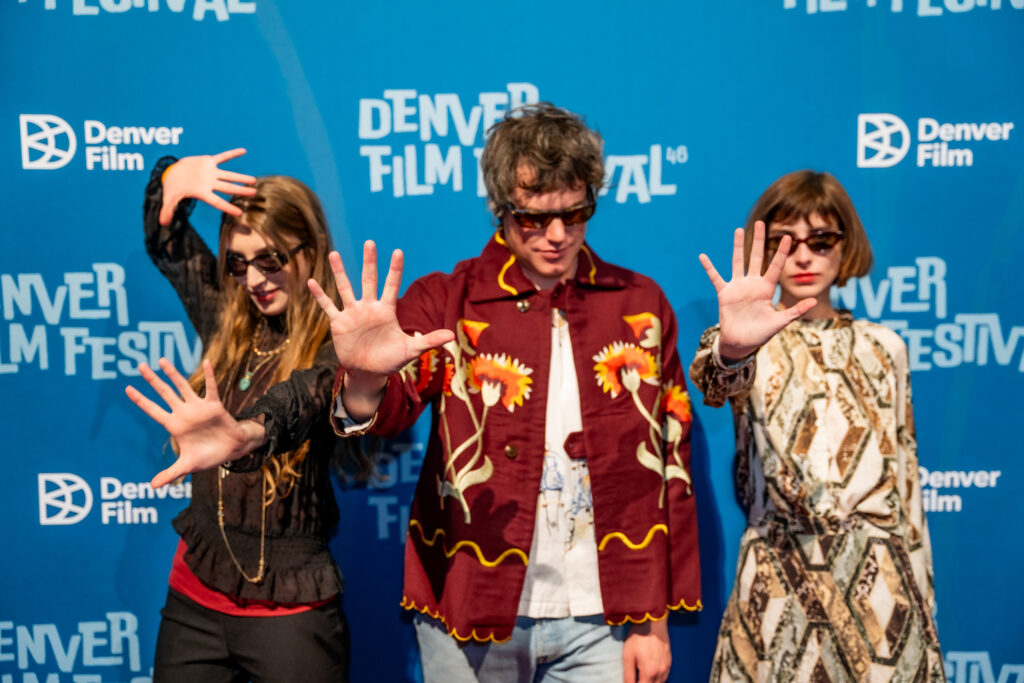
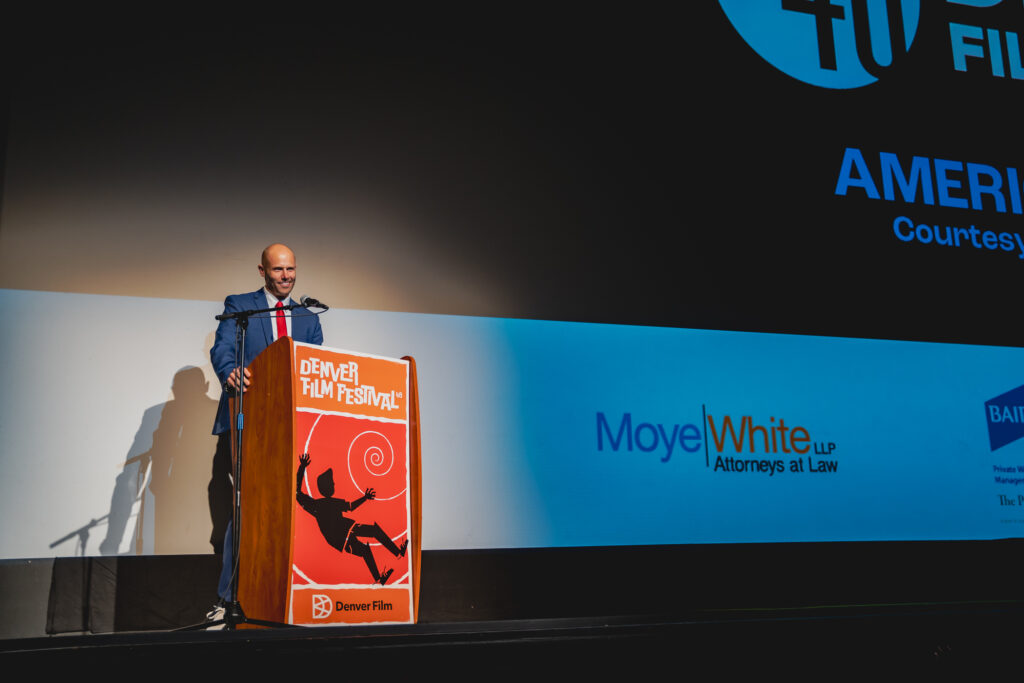
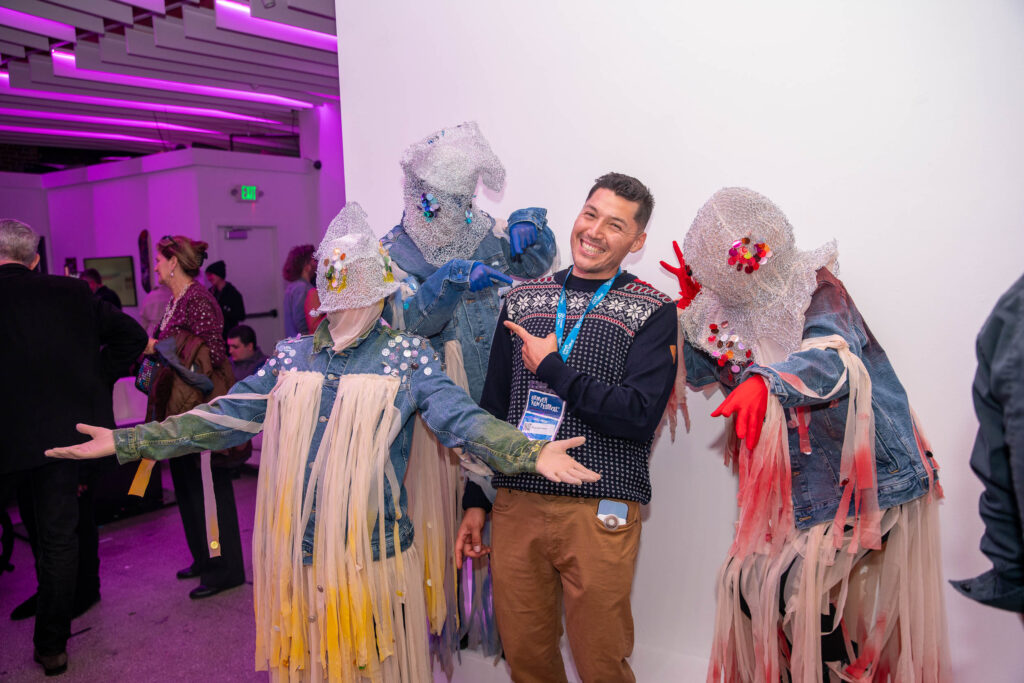
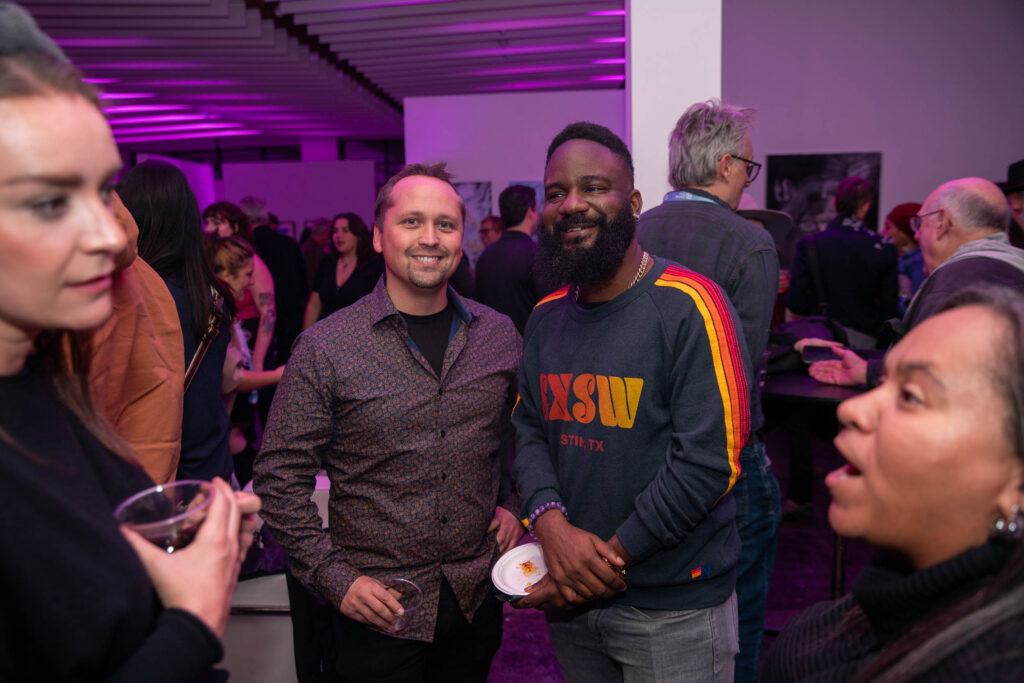
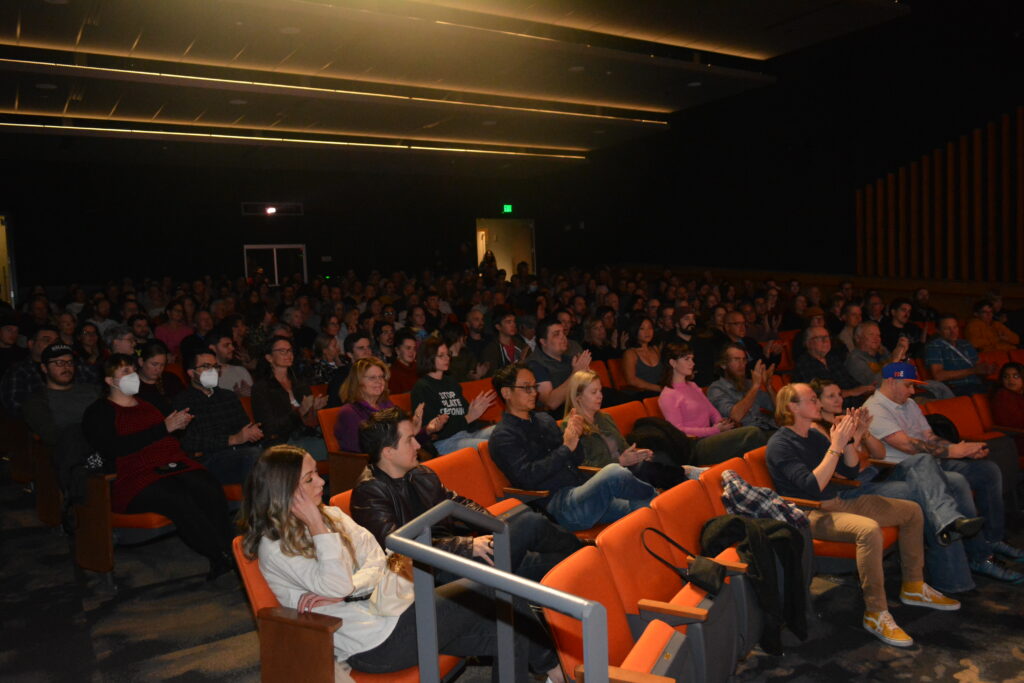
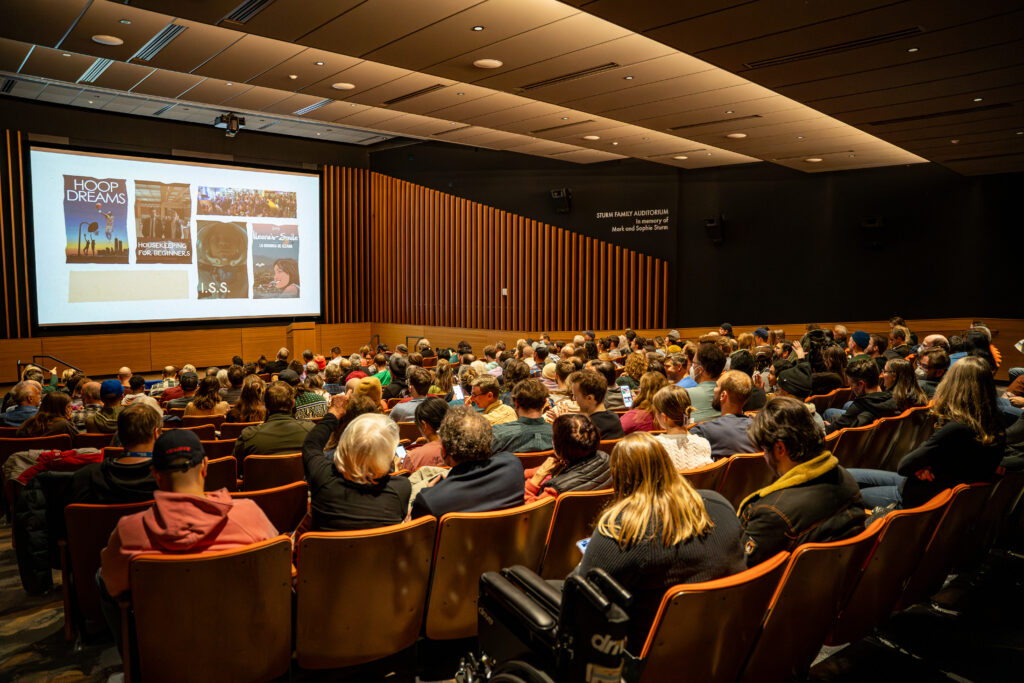
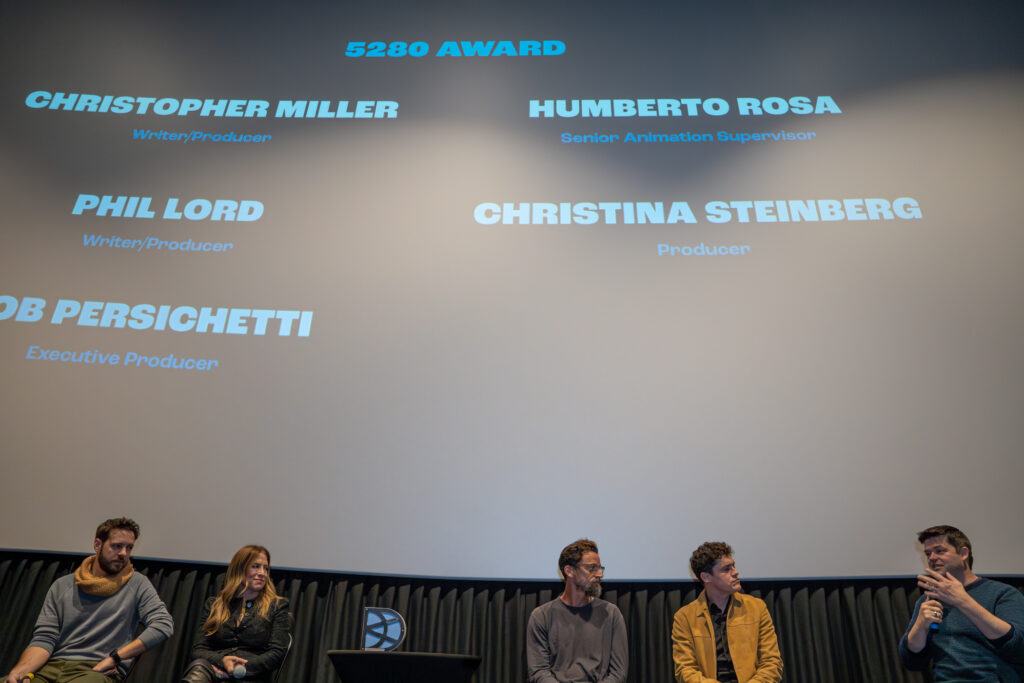
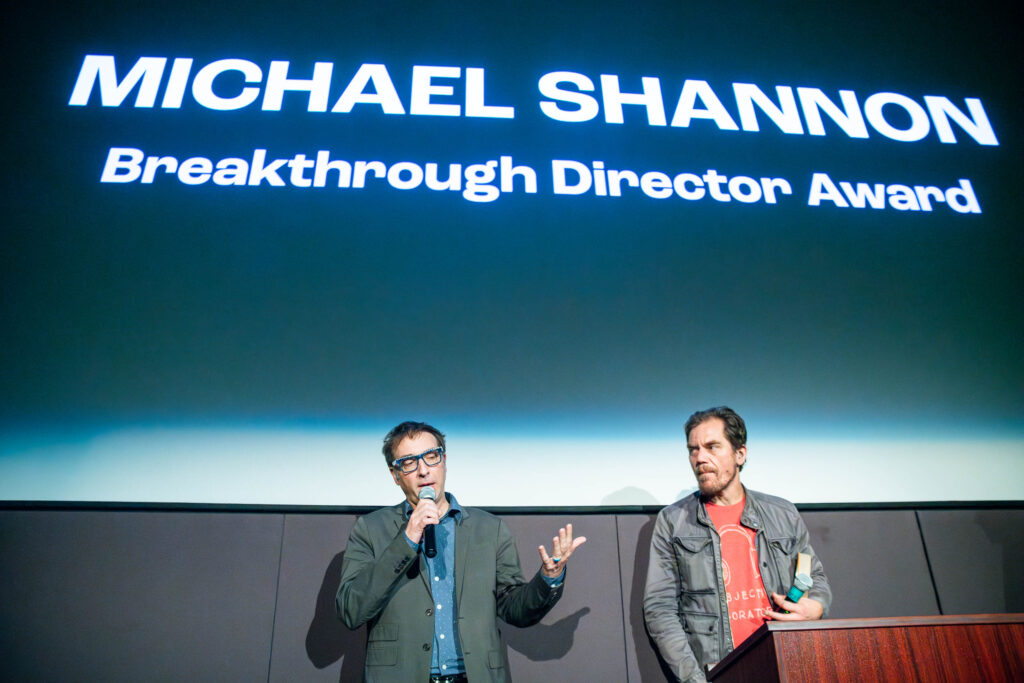
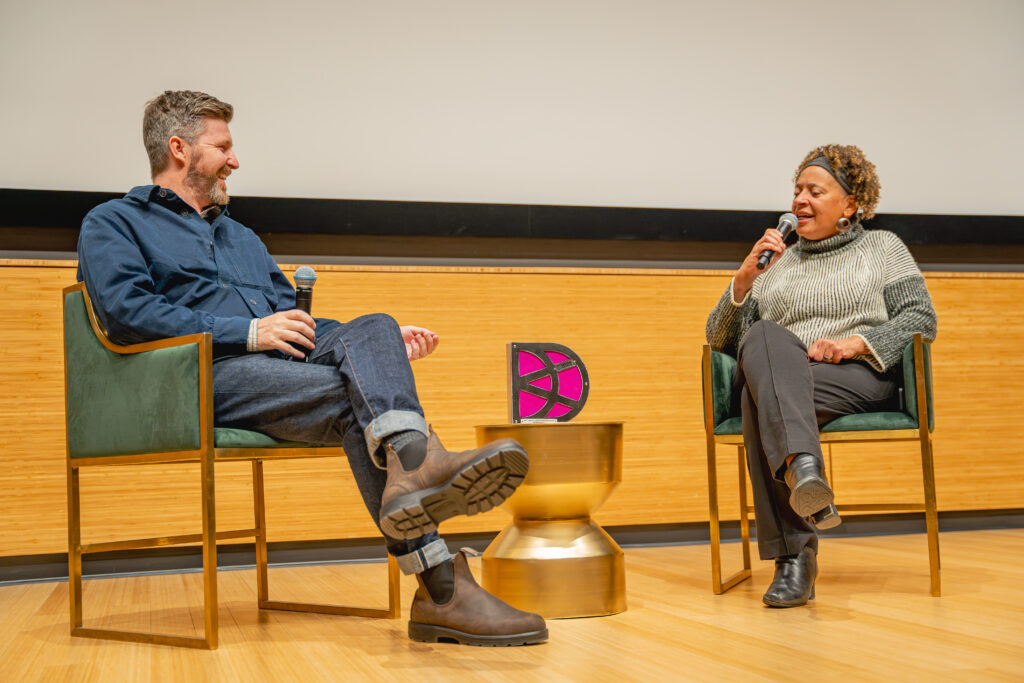
With a history spanning over four decades, the Denver Film Festival has established itself as a destination for film enthusiasts, industry professionals, and cultural explorers alike. It provides a platform for emerging filmmakers to showcase their work, while also featuring acclaimed films from established directors. Throughout the festival, over 40,000 attendees are immersed in a dynamic and captivating cinematic experience. In addition to the outstanding film screenings, the Denver Film Festival presents a range of Red Carpet presentations, special events, including filmmaker Q&A sessions, panel discussions, workshops, receptions, and industry networking opportunities.
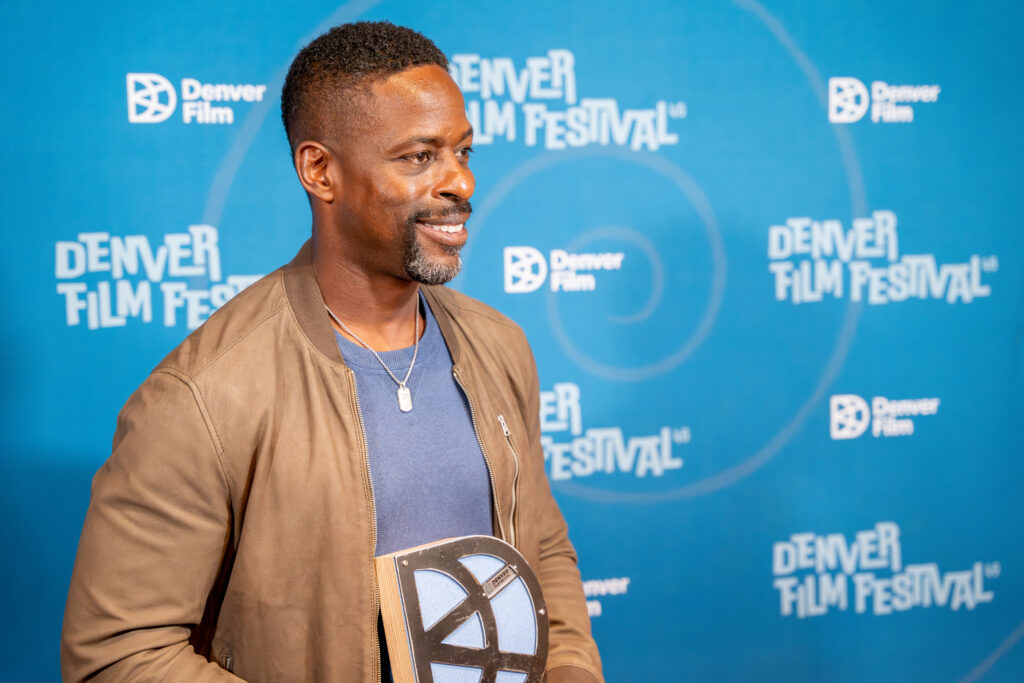
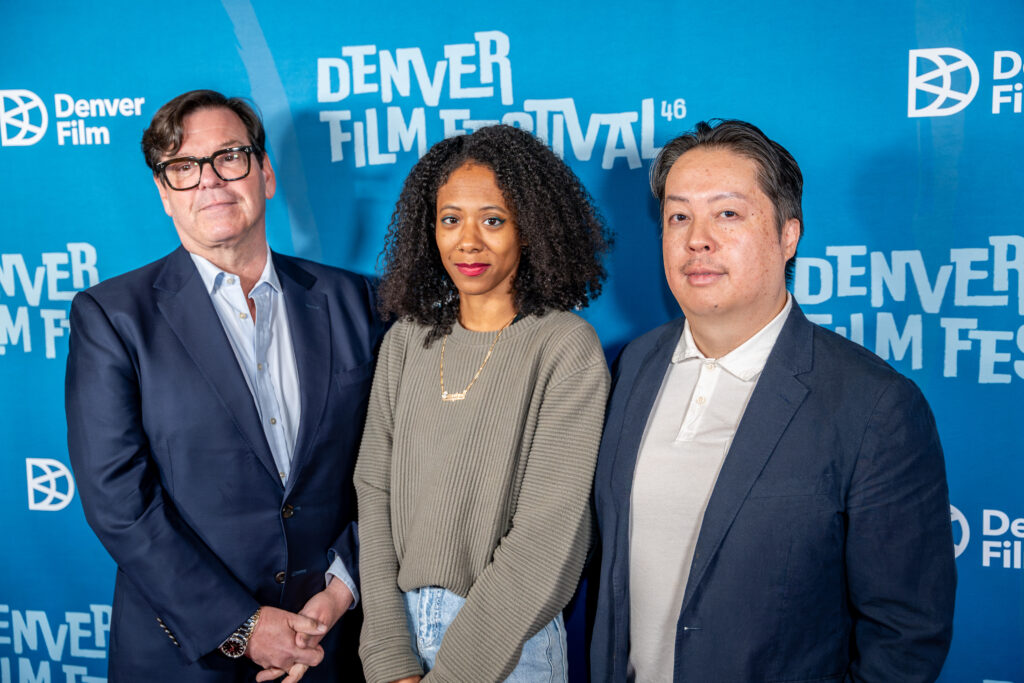
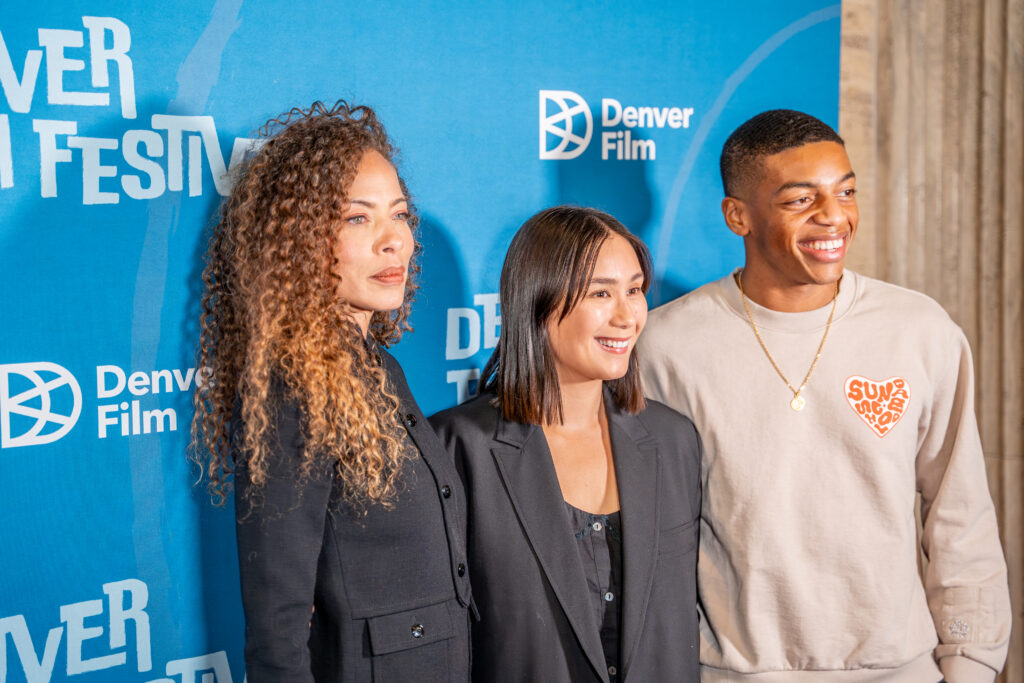
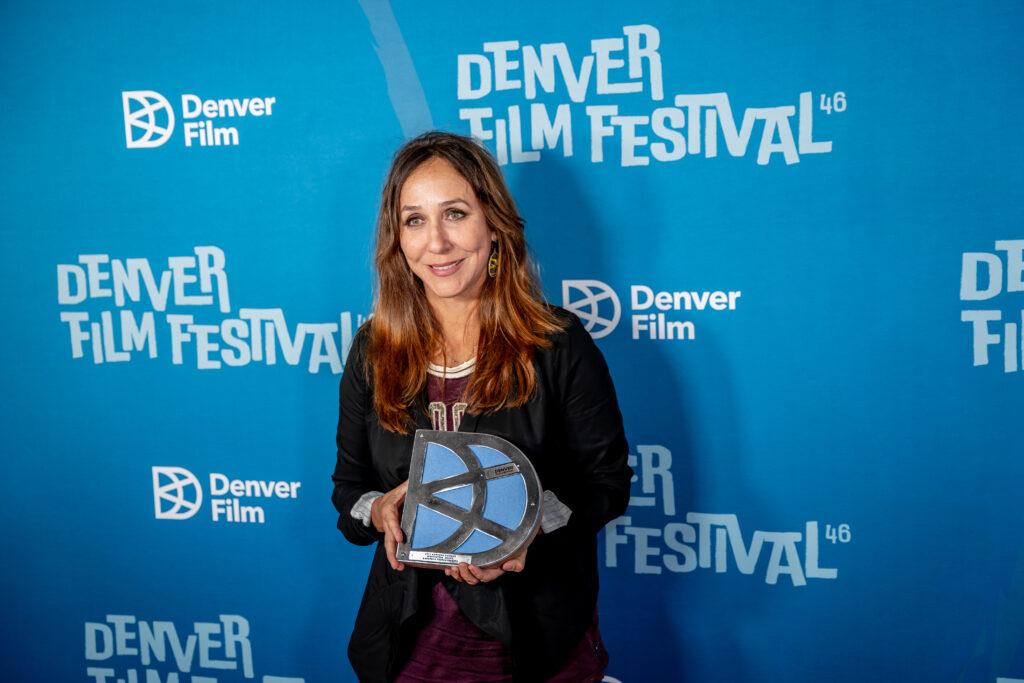
Become a member today to be the first to get access to everything DFF47 including the program, dates, and tickets.
Established in 2008, the Maria and Tommaso Maglione Italian Filmmaker Award recognizes the best in Italian cinema. Recipients of the Italian Filmmaker Award are selected after rigorous committee review under the leadership of Anna Maglione Sie, the Award’s founder, and Ron Henderson, co-founder of the Denver Film Society.